
How to Choose Best Sunscreen for Daily Skin Protection
Choose sunscreen with SPF 30 or higher, broad-spectrum protection, and a texture you will wear daily. The answer to how to choose best sunscreen starts with protection, comfort, and your skin type.
You need sunscreen that protects against ultraviolet A (UVA) and ultraviolet B (UVB) rays. UVA rays support tanning, dark spots, melasma, and early aging. UVB rays support sunburn and surface redness.
For Pakistan, SPF 50 usually gives a stronger daily margin during heat, commuting, and outdoor exposure. SPF 30 still works for shorter exposure when you apply enough sunscreen.
Your face sunscreen should feel comfortable under sweat, makeup, and moisturizer. A greasy formula often stays unused, even when the label looks strong. How to choose best sunscreen starts with a formula you will finish, not a bottle you avoid.
The best sunscreen for face care matches 4 things: sun level, skin type, texture, and reapplication habits. You protect skin better when you choose sunscreen you enjoy using.
What SPF Level Should You Choose for Pakistan Sun?
Choose SPF 30 for basic daily protection and SPF 50 for stronger outdoor protection. Most Pakistani shoppers should start with SPF 50 because sunlight feels harsh during commuting, errands, and outdoor work.
Sun Protection Factor (SPF) measures protection from UVB rays. SPF 30 filters about 97% of UVB rays, and SPF 50 filters about 98% of UVB rays when you apply the correct amount.
That 1% difference sounds small, but real use changes results. Many people apply less than the needed amount, so SPF 50 gives a safer margin.
Use 2 fingers of sunscreen for the face and neck, usually around 1.5 inches (3.8cm) per finger. Use 1 ounce (30ml) for full exposed body coverage.
Choose SPF 50 for beach days, school runs, university travel, office commuting, driving, sports, and outdoor shopping. Choose SPF 30 for brief indoor-to-outdoor exposure.
How to choose best sunscreen becomes easier when you match SPF with your day. A 20-minute commute needs different planning from 5 hours (300 minutes) outdoors.
Why Does Broad-Spectrum Sunscreen Matter?
 Broad-spectrum sunscreen protects against both UVA and UVB rays. SPF alone mainly tells you about UVB protection, not complete sun defense.
Look for the words broad spectrum, UVA plus UVB, or PA rating. PA+++ and PA++++ show stronger UVA protection on many Asian sunscreens.
UVA protection matters for dark spots, tanning, uneven tone, melasma, and premature lines. Many shoppers complain that sunscreen still lets skin darken, so UVA protection deserves attention.
UVB protection matters for sunburn, redness, and surface damage. You need both UVA and UVB protection because Pakistan sunlight exposes skin to both ray types.
Choose broad-spectrum sunscreen before you compare fragrance, packaging, or trend claims. A pretty texture cannot replace full UV protection.
|
Task |
Timing |
Method |
Difficulty |
|
Choose SPF level |
Before purchase |
Pick SPF 30 for short exposure or SPF 50 for outdoor days |
Easy |
|
Check UVA coverage |
Before purchase |
Look for broad spectrum, PA+++, or PA++++ on the label |
Easy |
|
Match skin type |
Before purchase |
Choose gel, cream, mineral, or non-comedogenic texture |
Medium |
|
Apply correct amount |
Morning |
Use 2 fingers for face and neck, about 3 inches (7.6cm) total |
Medium |
|
Reapply sunscreen |
Outdoor days |
Reapply every 2 hours (120 minutes) and after sweating |
Medium |
|
Check comfort |
First 3 days |
Watch for stinging, pilling, oiliness, dryness, or breakouts |
Easy |
How to Choose Sunscreen for Your Skin Type
Choose sunscreen by skin type before choosing by trend. The right sunscreen texture stops greasiness, dryness, stinging, clogged pores, and white cast.
How to choose best sunscreen depends on how your skin behaves after 3 hours (180 minutes). Your skin type tells you which finish will stay comfortable.
Choose Gel Sunscreen for Oily Skin
To choose gel sunscreen for oily skin, pick a lightweight, non-comedogenic, matte, or oil-free formula. Gel sunscreens feel lighter in humid weather.
Oily skin produces more sebum during heat, stress, and long outdoor days. Heavy cream sunscreen can feel sticky after 2 hours (120 minutes).
Look for labels like non-greasy, lightweight, sebum-control, or invisible finish. COSRX, Anua, and gel-fluid sunscreens often suit oily skin routines.
Choose Cream Sunscreen for Dry Skin
To choose cream sunscreen for dry skin, pick hydrating ingredients like glycerin, hyaluronic acid, panthenol, and ceramides. Cream sunscreen adds comfort under makeup.
Dry skin often feels tight after cleansing. A hydrating sunscreen can reduce flaky patches around the cheeks, nose, and mouth.
Apply moisturizer first when your skin feels tight. Leave 2 minutes (120 seconds), then apply sunscreen across the face and neck.
Choose Gentle Sunscreen for Sensitive Skin
To choose gentle sunscreen for sensitive skin, pick fragrance-free, alcohol-free, and mineral-friendly options. Sensitive skin reacts quickly to perfume and strong filters.
Zinc oxide and titanium dioxide suit many sensitive skin routines. Mineral sunscreen can leave white cast, so tinted sunscreen helps medium and deeper skin tones.
Patch test sunscreen on a 1 inch (2.5cm) jawline area for 24 hours. Stop use when burning, swelling, or strong itching appears.
Choose Non-Comedogenic Sunscreen for Acne-Prone Skin
To choose non-comedogenic sunscreen for acne-prone skin, look for labels that say non-comedogenic or will not clog pores. Acne-prone skin needs light layers.
Choose gel, fluid, or invisible sunscreen when heavy creams trigger bumps. Avoid thick balms on the whole face during humid weather.
Breakouts can also come from poor cleansing. Remove sunscreen at night with cleanser, especially after sweat, makeup, or outdoor pollution.
Mineral vs Chemical Sunscreen: Which Type Suits You?
Mineral sunscreen suits sensitive skin, while chemical sunscreen often blends more easily. Both sunscreen types protect skin when the label shows broad-spectrum SPF 30 or higher.
Mineral sunscreen uses zinc oxide, titanium dioxide, or both filters. Chemical sunscreen uses filters such as avobenzone, octisalate, octocrylene, and newer global filters.
Choose Mineral Sunscreen for Sensitive Skin
To choose mineral sunscreen for sensitive skin, look for zinc oxide, titanium dioxide, or physical blocker wording. Mineral sunscreen often sits on the skin surface.
Mineral filters usually sting less around sensitive cheeks and eyes. Mineral formulas can suit rosacea-prone, eczema-prone, and reactive skin.
The main problem is white cast. Tinted mineral sunscreen reduces grey, purple, or chalky finish on medium and deep skin tones.
Choose Chemical Sunscreen for Clear Finish
To choose chemical sunscreen for clear finish, select transparent, invisible, or no-white-cast formulas. Chemical sunscreens usually blend faster than mineral formulas.
Chemical sunscreen suits many daily routines under makeup. Chemical sunscreen can sting some eyes, so avoid applying chemical formulas too close to lashes.
Apply chemical sunscreen 15 minutes before sun exposure. Give chemical filters time to set before you start outdoor walking or driving.
Choose Hybrid Sunscreen for Balanced Comfort
To choose hybrid sunscreen for balanced comfort, pick formulas that combine mineral and chemical filters. Hybrid sunscreen offers protection with improved texture.
Hybrid formulas can reduce white cast while keeping a comfortable feel. Many Korean sunscreens use hybrid protection and skincare ingredients.
Choose hybrid sunscreen when you want SPF 50, PA++++, light hydration, and a smoother finish under makeup.
How to Read Sunscreen Labels Before Buying
To read sunscreen labels before buying, check 5 details: SPF, broad spectrum, PA rating, water resistance, and skin type claim. These details decide real-world use.
Check SPF and PA Rating
Check SPF first, then check PA rating. SPF covers UVB protection, while PA rating helps you judge UVA protection.
For daily face sunscreen in Pakistan, choose SPF 30 or SPF 50 with PA+++ or PA++++. Strong UVA protection helps with tanning and pigmentation concerns.
How to choose best sunscreen depends on both numbers. High SPF without strong UVA labeling gives an incomplete picture.
Check Water Resistance
Check water resistance when you swim, sweat, exercise, or stay outdoors. Water-resistant sunscreen usually gives 40 minutes or 80 minutes of wet-skin performance.
No sunscreen stays waterproof. Sweat, towel drying, pool water, and sea water remove sunscreen from skin.
Reapply after swimming, sweating, or wiping your face. Reapply every 2 hours (120 minutes) during long sun exposure.
Check Texture and Finish
Check texture because comfort controls daily use. Choose gel, fluid, cream, lotion, stick, or spray by body area and skin type.
Gel sunscreen suits oily skin. Cream sunscreen suits dry skin. Stick sunscreen suits eye corners, lips, nose bridge, and ears.
Spray sunscreen works for quick body reapplication, but you still need to rub spray sunscreen evenly across skin.
How to Choose Sunscreen for Pakistan Weather
To choose sunscreen for Pakistan weather, start with SPF 50, PA++++, and a non-greasy finish. Heat, dust, and sweat make texture very important.
Cities like Islamabad, Lahore, Karachi, Rawalpindi, Multan, and Peshawar bring different comfort issues. Islamabad sun feels harsh in open areas. Karachi humidity can make heavy sunscreen greasy.
Choose matte or gel sunscreen for humid months. Choose hydrating cream sunscreen for dry winter air, air-conditioned offices, and flaky skin.
Choose water-resistant sunscreen for outdoor weddings, university sports, fieldwork, beach trips, driving, and long market visits. Strong sun exposure needs reapplication, not just higher SPF.
Many people feel sunscreen makes skin dark. The real issue often involves weak UVA protection, low amount, no reapplication, or sunscreen that sweats off.
How to choose best sunscreen for Pakistan means choosing a formula that you will apply enough and reapply before skin darkens.
How to Choose Sunscreen for Makeup and Reapplication
Choose sunscreen that layers smoothly under makeup and stays easy to reapply. A perfect sunscreen loses value when foundation, sweat, or powder makes daily use difficult.
How to choose best sunscreen for makeup starts with finish. Pick invisible, lightweight, or serum-like textures when you use foundation, concealer, blush, and setting powder.
Pilling often happens when you layer too many products. Use 1 serum, 1 moisturizer, and 1 sunscreen before makeup when your routine feels heavy.
Choose Sunscreen Under Makeup
To choose sunscreen under makeup, test finish after 10 minutes (600 seconds). Your sunscreen should feel dry-to-touch before foundation.
Choose gel or fluid sunscreen under oily makeup bases. Choose hydrating cream sunscreen under matte foundations when dry patches appear.
How to choose best sunscreen under makeup depends on 3 checks: no pilling, no grey cast, and no greasy shine after 3 hours (180 minutes).
Choose Sunscreen for Easy Reapplication
To choose sunscreen for easy reapplication, keep 1 main morning sunscreen and 1 touch-up format. Sticks, sprays, and cushions help during long days.
Use sunscreen stick around the nose, lips, ears, and under-eye edge. Use spray sunscreen on arms, hands, and legs, then rub spray evenly.
How to choose best sunscreen for reapplication means choosing formats you can carry in a handbag, office drawer, car pouch, or university bag.
Choose Sunscreen for Travel and Outdoor Bags
To choose sunscreen for travel and outdoor bags, select a cap-secure tube under 3.4 ounces (100ml). Small tubes fit purses and travel kits.
Heat can spoil comfort and texture. Keep sunscreen away from dashboards, direct windows, and outdoor tables during peak sun.
Carry 1 backup sunscreen for road trips, picnics, field visits, sports days, and beach plans. A backup prevents skipped reapplication.
Building an effective routine? Our guide to joop perfume price in pakistan explains the benefits, the right order to apply and who should use it.
What Sunscreen Mistakes Should You Avoid?
Avoid choosing sunscreen by price, trend, or SPF number alone. A strong label fails when the formula does not suit your face.
- Using too little sunscreen reduces protection on your cheeks, forehead, nose, and neck.
- Skipping the neck leaves a clear tone difference after 3 months (90 days).
- Choosing only SPF without PA rating can leave pigmentation concerns unmanaged.
- Using body sunscreen on acne-prone face can feel heavy and clog pores.
- Applying sunscreen once at 8 a.m. cannot cover 6 hours (360 minutes) outdoors.
- Relying on makeup SPF gives patchy coverage across the face.
- Forgetting ears, eyelids, hairline, and hands leaves common burn areas exposed.
Use a mirror and apply sunscreen in 2 thin layers. Thin layers spread better than 1 thick, uneven layer. How to choose best sunscreen also means choosing a formula you can apply in the right amount.
Give sunscreen 10 minutes (600 seconds) before makeup when products pill. Let moisturizer settle first when skincare feels slippery.
Which Khayest Sunscreen Should You Consider?
 Choose Khayest sunscreen by finish, skin type, and daily comfort. Compare SPF level, PA rating, finish, and skin type before choosing any product.
For invisible daily use, COSRX invisible sunscreen suits shoppers who want SPF50 PA++++, light texture, and no white cast.
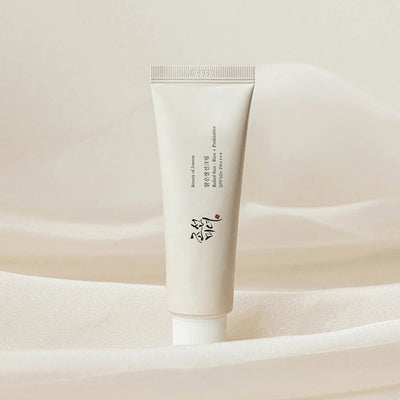
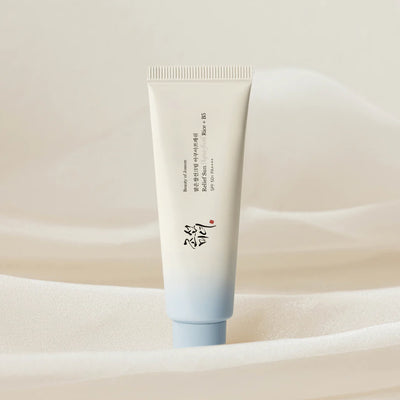
For hydrating Korean skincare comfort, Beauty of Joseon sunscreen suits dry, normal, and combination skin routines.
Choose Axis-Y style physical sunscreen when sensitive skin needs mineral protection. Choose Anua style moisture sunscreen when skin needs a soft, non-sticky finish.
How to choose best sunscreen for Khayest shopping starts with 4 filters: SPF level, PA rating, skin type, and finish. Do not buy only because the packaging looks premium.
FAQs About How to Choose Best Sunscreen
Is SPF 50 better than SPF 30?
Yes. SPF 50 gives a stronger margin for outdoor exposure, especially when you apply less than the ideal amount.
Should oily skin use sunscreen daily?
Yes. Oily skin still needs daily sunscreen. Choose gel, matte, lightweight, or non-comedogenic sunscreen to reduce greasy feel.
Does sunscreen make skin darker?
No. Sunscreen does not make skin darker by design. Weak UVA protection, low amount, and missed reapplication allow tanning.
Is mineral sunscreen better for sensitive skin?
Yes. Mineral sunscreen often suits sensitive skin better. Zinc oxide and titanium dioxide usually sting less than some chemical filters.
Can you use body sunscreen on your face?
Yes, but face sunscreen usually feels lighter. Choose face-specific sunscreen when body sunscreen feels greasy, sticky, or breakout-prone.
Final Answer: How to Choose Best Sunscreen
Choose SPF 30 or higher, broad-spectrum protection, PA+++ or PA++++, and a texture that suits your skin. For Pakistan sun, SPF 50 with a comfortable finish gives a practical daily choice.
The answer to how to choose best sunscreen depends on your skin type, routine, and outdoor exposure. Choose gel for oily skin, cream for dry skin, mineral for sensitive skin, and invisible formulas for no white cast. Shop the Khayest sunscreen range to compare fresh SPF options for daily sun care.