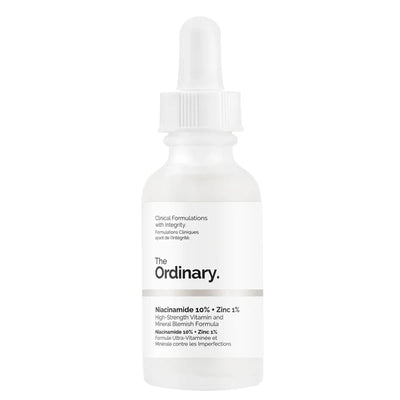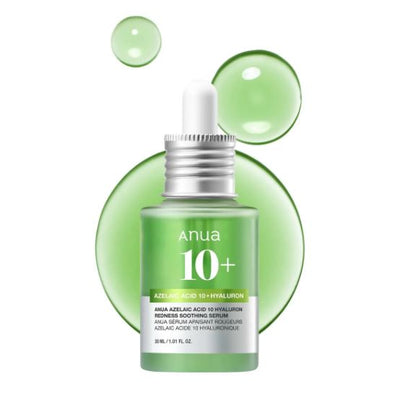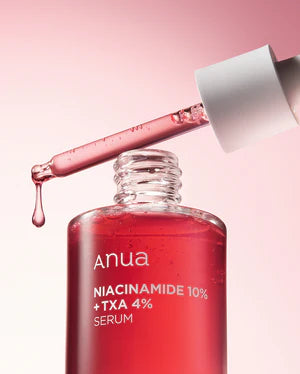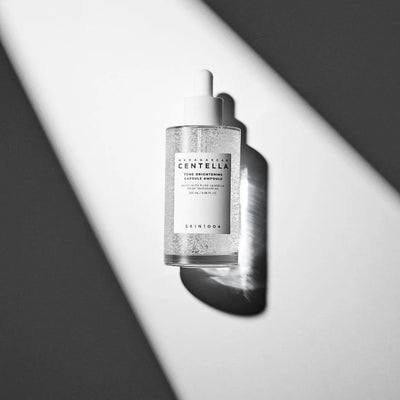

How to Apply Serum and Moisturizer
If you're wondering how to apply serum and moisturizer, the correct order is simple. Apply your serum first, followed by your moisturizer. This layering method allows active ingredients to absorb effectively while helping your moisturizer lock in hydration, strengthen the skin barrier, and leave your skin healthy, smooth, and refreshed.
What Is a Serum?
A serum is a lightweight skincare product that contains concentrated active ingredients designed to target specific skin concerns. Unlike moisturizers, serums are made to deliver ingredients deeper into the skin because of their thin, fast-absorbing texture.
Different serums serve different purposes. Some help improve hydration, while others focus on brightening dull skin, reducing the appearance of fine lines, improving uneven skin tone, or controlling excess oil. Choosing the right serum depends on your skin type and your skincare goals.
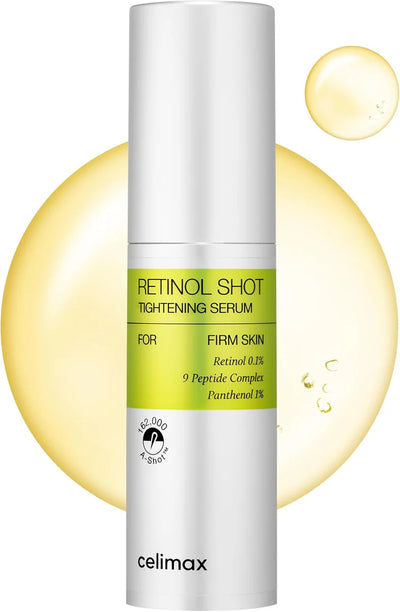
Common ingredients found in facial serums include Hyaluronic Acid, Vitamin C, Niacinamide, Retinol, Peptides, and Panthenol. Each ingredient offers unique benefits, making serums an important treatment step rather than a replacement for moisturizer.
Although serums are highly concentrated, they cannot lock moisture into the skin on their own. This is why they are almost always followed by a moisturizer.
What Is a Moisturizer?
A moisturizer is designed to hydrate the skin while protecting its natural moisture barrier. It helps reduce water loss, keeps the skin soft and comfortable, and supports overall skin health.
Modern moisturizers contain ingredients such as Ceramides, Glycerin, Hyaluronic Acid, and Squalane, which help strengthen the skin barrier and improve hydration throughout the day.
Many people believe moisturizers simply add moisture to the skin, but they also help prevent existing moisture from escaping. This makes them an essential part of every skincare routine, regardless of whether your skin is oily, dry, combination, or sensitive.
The biggest difference between a serum and a moisturizer is their purpose. A serum delivers active ingredients, while a moisturizer helps seal those ingredients into the skin and maintain hydration for longer.
Why the Correct Order Matters
Knowing how to apply serum and moisturizer is about more than simply following trends. Applying products in the correct order allows each one to perform as intended.
A serum has a lightweight consistency that absorbs quickly into clean skin. A moisturizer has a richer texture that forms a protective layer over the skin. If you reverse the order, the moisturizer may reduce how effectively the serum absorbs.
Layering your products correctly helps improve hydration, supports the skin barrier, and ensures your skincare routine delivers the best possible results.
| Task | Timing | Method | Difficulty |
|---|---|---|---|
| Cleanse Face | Morning & Night | Gentle cleanser | Easy |
| Apply Serum | After cleansing | 2–3 drops on clean skin | Easy |
| Wait for Absorption | 30–60 seconds | Let serum absorb | Easy |
| Apply Moisturizer | After serum | Thin, even layer | Easy |
| Apply Sunscreen | Every morning | SPF 30+ | Easy |
How to Apply Serum and Moisturizer

Following the correct routine is straightforward and only takes a few minutes.
Start by washing your face with a gentle cleanser to remove dirt, excess oil, sunscreen, and makeup. Clean skin provides the ideal surface for skincare products to absorb effectively.
If you use a toner, apply it after cleansing. While toner is optional, it can help prepare the skin for the next steps in your routine.
Next, apply your serum. Most facial serums only require two or three drops. Place a small amount onto your fingertips and gently spread it across your face and neck using light upward motions. Avoid rubbing the skin aggressively, as gentle application is usually enough.
Once the serum has absorbed, apply your moisturizer evenly across your face. A thin layer is all you need to help seal in hydration and strengthen the skin's protective barrier.
During the day, always finish your routine with a broad-spectrum sunscreen to protect your skin from harmful UV rays.
Should Serum Be Applied Before or After Moisturizer?
One of the most common skincare questions is whether serum should be applied before or after moisturizer.
The answer is serum always comes first.
Serums contain concentrated ingredients in lightweight formulas that are designed to penetrate the skin quickly. Moisturizers are thicker because they are intended to create a protective layer that helps reduce moisture loss.
Applying moisturizer before serum can make it more difficult for the serum to reach the skin effectively. By applying serum first and moisturizer second, you allow both products to perform their specific roles within your skincare routine.
This layering method is suitable for almost every skin type, including oily, dry, combination, and sensitive skin.
Should You Apply Serum to Damp Skin?
Another question people frequently ask when learning how to apply serum and moisturizer is whether the skin should be damp or completely dry.
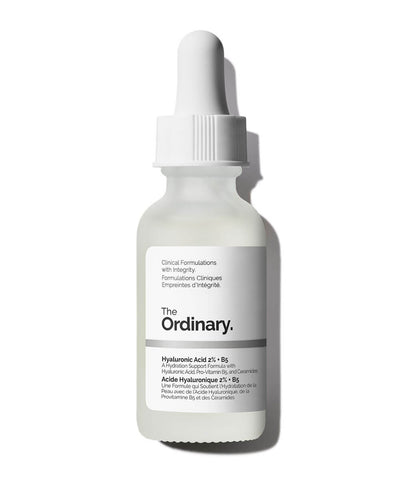
Many hydrating serums, especially those containing Hyaluronic Acid, are commonly applied to slightly damp skin because they help attract and retain moisture. Slightly damp skin may also help these lightweight formulas spread more evenly.
However, not every serum should be applied this way. Treatment serums containing active ingredients such as retinol or exfoliating acids should always be used according to the manufacturer's instructions.
Regardless of the type of serum you choose, cleansing your skin before application is one of the most important steps in achieving the best results.
For clearer, healthier skin, our complete guide to elizabeth arden 5th avenue price in pakistan covers how it works and how to fit it into your routine.
How Long Should You Wait Between Serum and Moisturizer?
One of the most common questions people ask when learning how to apply serum and moisturizer is whether they need to wait before applying the next product.
The answer is yes, but only for a short time.
After applying your serum, allow it to absorb into your skin before reaching for your moisturizer. For most serums, 30 to 60 seconds is enough. Once the serum no longer feels wet or sticky, you can apply your moisturizer.
Waiting briefly helps prevent product pilling and allows the active ingredients in the serum to settle into the skin. There is usually no need to wait several minutes unless the product instructions recommend it.
If you're using a thicker serum, it may take a little longer to absorb. Instead of following a fixed time, pay attention to how your skin feels. Once the serum has absorbed comfortably, continue with the next step.
Morning vs Night Skincare Routine

Although the order of applying serum and moisturizer stays the same, your morning and evening routines have slightly different goals.
During the morning, the focus is on hydration and protection. After cleansing, apply your serum, followed by your moisturizer, and finish with sunscreen. Sunscreen is an essential final step because it helps protect your skin from UV damage throughout the day.
Your nighttime routine is focused on repair and recovery. After cleansing your face, apply your serum and then your moisturizer. Since you are not exposed to sunlight while sleeping, sunscreen is not needed at night.
Following a consistent routine both morning and evening allows your skincare products to work more effectively over time.
Can You Use Multiple Serums?
Many skincare enthusiasts use more than one serum, but layering them correctly is important.
If you use multiple serums, apply the thinnest, water-based formula before thicker products. Lightweight serums absorb more quickly, allowing each product to perform its intended role.
For example, a hydrating serum containing Hyaluronic Acid is often applied before richer treatment serums. However, every skincare product is different, so always follow the instructions provided with your specific serum.
Introducing multiple active ingredients at the same time may increase the chance of irritation for some people. If you are trying a new serum, it is usually best to introduce one product at a time and observe how your skin responds.
Can You Mix Serum and Moisturizer?
Another popular question is whether serum and moisturizer can be mixed together before applying them.
Although some people do this to save time, applying them separately is generally the better option.
Serums and moisturizers are formulated to perform different functions. Applying the serum first gives the active ingredients the opportunity to absorb into the skin. The moisturizer then helps lock in hydration and supports the skin barrier.
Mixing the two products together may reduce how effectively each one performs. Applying them in separate layers is the simplest and most effective approach.
Common Mistakes When Applying Serum and Moisturizer
Even high-quality skincare products may not deliver the best results if they are used incorrectly.
One common mistake is applying too much serum. Most facial serums only require two or three drops. Using more product does not necessarily improve results and may simply leave the skin feeling sticky.
Another mistake is applying moisturizer before serum. Since moisturizers create a protective layer on the skin, they should generally be used after your serum.
Some people also skip moisturizer because they believe serum provides enough hydration. While serums deliver concentrated ingredients, most are not designed to prevent moisture loss. Moisturizer remains an essential step in maintaining healthy skin.
Applying skincare products to skin that has not been properly cleansed is another common mistake. Dirt, excess oil, sunscreen, and makeup should always be removed before applying serums and moisturizers.
Finally, introducing several new products at once makes it difficult to identify which product is working well or causing irritation. Building your routine gradually is often the best approach.
How to Choose the Right Serum and Moisturizer
The best skincare routine begins with choosing products that suit your skin type.
For Dry Skin
Dry skin benefits from hydrating serums containing Hyaluronic Acid and moisturizers enriched with Ceramides, Glycerin, or Squalane. These ingredients help attract moisture while strengthening the skin barrier.
For Oily Skin
People with oily skin often prefer lightweight, oil-free serums and gel moisturizers that hydrate without leaving a greasy finish. Ingredients such as Niacinamide and Hyaluronic Acid are popular choices because they provide hydration while helping the skin feel balanced.
For Combination Skin
Combination skin requires balanced hydration. Lightweight lotions and water-based serums work well because they moisturize dry areas without making the oily areas feel heavy.
For Sensitive Skin
Sensitive skin usually responds best to simple, fragrance-free products containing soothing ingredients such as Ceramides, Panthenol, and Glycerin. Gentle formulations help support the skin barrier while minimising irritation.
Best Serums and Moisturizers Available at Khayest
Creating the perfect skincare routine starts with choosing authentic products that match your skin type. At Khayest, you'll find a carefully selected collection of serums and moisturizers from trusted international skincare brands.
Whether you're looking for a hydrating Hyaluronic Acid Serum, a brightening Vitamin C Serum, a balancing Niacinamide Serum, or a nourishing moisturizer enriched with Ceramides and Glycerin, Khayest offers options suitable for oily, dry, combination, and sensitive skin.
Using genuine skincare products not only improves your routine but also gives you confidence that you're applying high-quality formulas designed to deliver real results.