

What is the difference between Cleanser and Face wash
If you've ever wondered what is the difference between cleanser and face wash, you're not alone. While both products clean your skin, they work in different ways and suit different skin types. Understanding these differences helps you build a better skincare routine, protect your skin barrier, and achieve healthier, clearer skin.
Why Understanding the Difference Matters
Walking into the skincare aisle can feel overwhelming. You'll see shelves filled with face cleansers, face washes, cleansing balms, gels, creams, oils, and foaming products. Although they all promise clean skin, they are not created for the same purpose.
Many people choose products based only on packaging or fragrance. Unfortunately, using the wrong cleansing product can leave your skin feeling too dry, too oily, or irritated. Over time, this can affect your skin's natural moisture and even lead to clogged pores, breakouts, or sensitivity.
Choosing between a facial cleanser and a face wash should depend on your skin type, daily habits, and skincare goals. Once you understand how each product works, selecting the right one becomes much easier.
At Khayest, we believe healthy skin starts with the right cleansing routine. Whether your goal is removing makeup, washing away excess oil, or protecting your skin's moisture, the right product can make all the difference.
What Is a Face Cleanser?
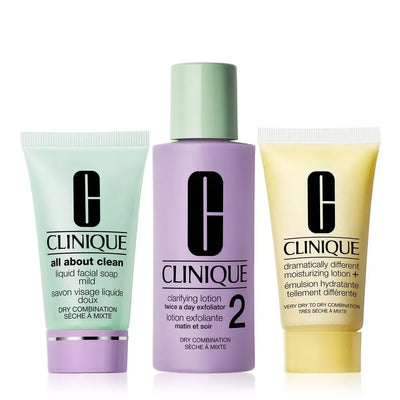
 A face cleanser is a skincare product designed to gently remove dirt, makeup, sunscreen, excess oil, and daily impurities without stripping away your skin's natural moisture.
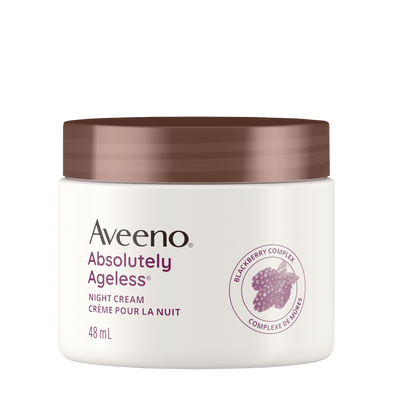
Unlike products that create lots of foam, many cleansers have a creamy, milky, lotion-like, oil-based, or balm texture. These formulas focus on cleaning while keeping your skin hydrated and comfortable.
A gentle cleanser works by dissolving unwanted buildup from the surface of your skin. Instead of aggressively removing everything, it lifts away impurities while helping maintain the skin's protective barrier.
Because of this, cleansers are often recommended for people with:
- Dry skin
- Sensitive skin
- Mature skin
- Normal skin
- Combination skin
- Skin experiencing dehydration
Many people also use a cleanser as the first step of a double cleansing routine. An oil cleanser or cleansing balm removes sunscreen, waterproof makeup, and excess sebum before a water-based cleanser or face wash finishes the cleansing process.
How Does a Cleanser Work?
Your skin naturally produces sebum to keep itself healthy. Throughout the day, this natural oil mixes with sweat, dust, pollution, sunscreen, and cosmetic products.
A cleanser is formulated to break down these substances gently.
Instead of relying on strong foaming agents, many cleansers use mild cleansing ingredients that help:
- Remove makeup residue
- Dissolve sunscreen
- Lift away dirt
- Eliminate environmental pollutants
- Preserve skin hydration
- Support the natural skin barrier
After cleansing, your skin usually feels soft, smooth, and comfortable instead of tight.
This is one reason why many dermatologists recommend gentle cleansers for daily use, especially for people with sensitive or dry skin.
Different Types of Cleansers
Not every cleanser is the same. Different formulas address different skincare concerns.
Cream Cleanser
A cream cleanser has a rich, smooth texture that helps cleanse while adding moisture. It is an excellent choice for dry or mature skin because it reduces moisture loss during cleansing.
Gel Cleanser
A gel cleanser has a lightweight consistency that refreshes the skin while removing excess oil and impurities. Many people with combination skin enjoy gel cleansers because they offer effective cleansing without feeling heavy.
Oil Cleanser
Oil cleansers dissolve oil-based impurities like sunscreen, long-lasting foundation, and waterproof mascara. Although they contain oils, they rinse away cleanly and do not necessarily make the skin greasy.
Cleansing Balm
A cleansing balm starts as a solid product but melts into an oil when massaged onto the skin. It effectively removes heavy makeup while leaving the skin feeling nourished.
Micellar Water
Micellar water contains tiny cleansing molecules called micelles that attract dirt, oil, and makeup. It provides quick cleansing without harsh rubbing and is often used when traveling or for light makeup removal.
What Is a Face Wash?
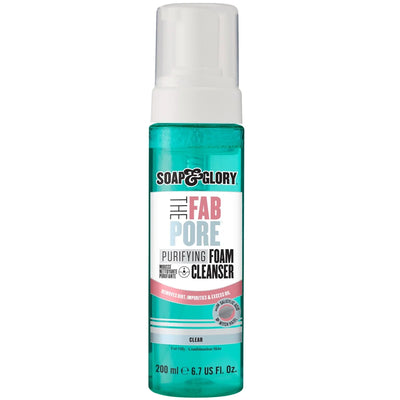
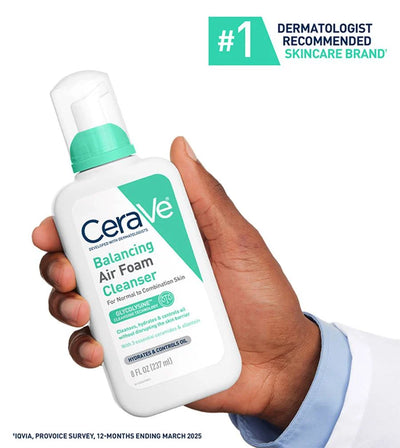
 A face wash is a cleansing product that usually creates foam or lather with water. It is designed to deeply clean the skin by removing excess oil, sweat, dirt, and impurities from the pores.
Unlike many cleansers, face washes often focus on delivering a fresh, clean feeling. They contain cleansing agents that help wash away surface oils more thoroughly.
Because of their deeper cleansing action, face washes are commonly recommended for people with:
- Oily skin
- Acne-prone skin
- Combination skin with excess oil
- Individuals exposed to pollution or sweat throughout the day
Many face washes are available in gel or foaming formulas that leave the skin feeling refreshed after rinsing.
How Does a Face Wash Work?
A face wash mixes with water to create foam. This foam helps loosen dirt, sweat, excess sebum, dead skin cells, and environmental impurities trapped on the skin's surface.
As you massage the product across your face, the cleansing ingredients lift away buildup and rinse it off with water.
This process provides a deeper cleanse than many moisturizing cleansers.
However, choosing the right formula is important. A face wash that is too harsh may remove too much natural oil, causing dryness or irritation. On the other hand, a balanced formula cleans effectively without damaging the skin's protective barrier.
Different Types of Face Washes
Today's skincare products include face washes designed for different skin needs.
Foaming Face Wash
A foaming face wash creates a rich lather that removes excess oil effectively. It is one of the most popular choices for oily and acne-prone skin because it helps reduce greasy buildup.
Gel Face Wash
Gel face washes have a lightweight texture and provide a refreshing cleanse. They work well for combination skin and oily skin, especially during warm weather.
Exfoliating Face Wash
Some face washes contain gentle exfoliating ingredients that help remove dead skin cells. These products can improve skin texture when used as directed but should not be used excessively.
Hydrating Face Wash
Modern face washes often include moisturizing ingredients that cleanse without leaving the skin feeling overly dry. These formulas are ideal for people who want a balance between deep cleansing and hydration.
The Main Difference Between Cleanser and Face Wash
Many people assume these products perform the same job. In reality, they have different purposes within a skincare routine.
A face cleanser focuses on gently removing makeup, sunscreen, dirt, and impurities while maintaining your skin's natural moisture. It supports hydration and protects the skin barrier.
A face wash, however, focuses on deeper cleansing. It removes excess oil, sweat, and pore-clogging debris, leaving the skin feeling fresh and clean.
Neither product is universally better than the other. The right choice depends on your skin type, lifestyle, and skincare goals.
Cleanser vs Face Wash: A Side-by-Side Comparison
Now that you know what is the difference between cleanser and face wash, it becomes easier to choose the right product for your skin. Both are essential skincare products, but they serve different purposes. One focuses on gentle cleansing and hydration, while the other offers a deeper cleanse to remove excess oil and impurities.
Understanding these differences helps you build a skincare routine that supports healthy, balanced skin instead of causing dryness or irritation.
Cleansing Method
A face cleanser works by dissolving makeup, sunscreen, dirt, and oil without disrupting the skin's natural moisture. Most cleansers have a creamy, milky, oil-based, or balm texture that glides smoothly over the skin.
A face wash, on the other hand, is activated with water and often creates a foam or lather. It cleans deeper into the pores, removing sweat, excess sebum, and daily buildup for a refreshed feeling.
Texture
The texture of a cleansing product affects how it feels on your skin.
Common cleanser textures include:
- Cream
- Lotion
- Milk
- Balm
- Oil
- Micellar water
Common face wash textures include:
- Gel
- Foaming gel
- Foam
- Lightweight liquid
People who enjoy a soft, nourishing cleanse usually prefer cleansers, while those who like a fresh, squeaky-clean feeling often choose a face wash.
Hydration Level
One of the biggest differences between these products is how they affect your skin's moisture.
A cleanser helps preserve hydration and supports the skin barrier. It cleans without removing too many natural oils.
A face wash removes more oil from the skin. While this is beneficial for oily complexions, using a harsh face wash too often may leave dry or sensitive skin feeling tight.
Modern hydrating face washes help reduce this problem by including moisturizing ingredients that balance cleansing with hydration.
Best Uses
A cleanser is ideal for:
- Removing makeup
- Dissolving sunscreen
- Daily gentle cleansing
- Sensitive skin
- Dry skin
- Mature skin
- Double cleansing
A face wash is ideal for:
- Removing excess oil
- Washing away sweat
- Deep pore cleansing
- Refreshing oily skin
- Acne-prone skin
- Post-workout cleansing
Both products have important roles, depending on your skincare needs.
Which Is Better for Your Skin Type?
There isn't one product that's perfect for everyone. Your skin type should guide your decision.
Oily Skin
People with oily skin produce more sebum than necessary. This excess oil can mix with dirt, pollution, and dead skin cells, increasing the risk of clogged pores and acne.
A foaming face wash or gel face wash is usually the better choice because it removes excess oil effectively without leaving residue behind.
Look for products that cleanse thoroughly while maintaining your skin's balance. Avoid overly harsh formulas that strip away all natural oils, as this may encourage your skin to produce even more oil.
Dry Skin
Dry skin lacks moisture and often feels rough, flaky, or tight after washing.
A gentle cleanser, cream cleanser, or hydrating cleanser is usually the best option because it removes impurities while helping the skin retain moisture.
Ingredients that support hydration can leave your skin feeling comfortable instead of dry after cleansing.
Sensitive Skin
Sensitive skin reacts easily to harsh ingredients, fragrances, or aggressive cleansing agents.
A non-foaming cleanser is often the safest option because it cleans gently without causing unnecessary irritation.
Choose products designed to support the skin barrier while minimizing redness and discomfort.
Combination Skin
Combination skin usually has an oily T-zone and drier cheeks.
A lightweight gel cleanser often works well because it balances cleansing without making dry areas feel uncomfortable.
Some people even switch products depending on the season. During summer, a face wash may feel more refreshing, while winter often calls for a cream cleanser that provides extra hydration.
Acne-Prone Skin
Acne-prone skin benefits from products that remove excess oil and keep pores clean.
A face wash designed for acne-prone skin can help reduce oil buildup. However, over-cleansing can weaken the skin barrier and make breakouts worse.
Many skincare experts recommend pairing an acne-friendly face wash with a gentle cleanser when your skin feels dry or irritated.
Finding the right balance is more important than using the strongest product available.
Can You Use Both a Cleanser and a Face Wash?
Yes. In fact, many skincare enthusiasts include both products in their daily routine.
This technique is called double cleansing, and it has become a popular part of modern skincare.
The first step removes oil-based impurities.
The second step removes water-based impurities.
Together, they leave the skin thoroughly clean without relying on one product to do everything.
Step One: Use a Cleanser
Start with an oil cleanser, cleansing balm, or cream cleanser.
Massage it gently onto dry skin.
This helps dissolve:
- Makeup
- Sunscreen
- Sebum
- Cosmetic residue
- Environmental pollutants
After massaging, rinse or wipe away the product.
Step Two: Use a Face Wash
Next, apply your face wash using water.
This removes the remaining dirt, sweat, and impurities that the first cleanse may have left behind.
Your skin is now clean and ready to absorb the rest of your skincare products.
Double cleansing is especially useful if you:
- Wear makeup every day
- Apply sunscreen regularly
- Have oily skin
- Spend time outdoors
- Live in areas with heavy pollution
Morning vs Night Cleansing
Your skin has different needs throughout the day.
Morning Routine
When you wake up, your skin has accumulated sweat, natural oils, and skincare residue from the previous night.
A gentle cleanser or lightweight face wash is usually enough to refresh your skin before applying moisturizer and sunscreen.
Evening Routine
Nighttime cleansing is much more important because your skin has collected:
- Dirt
- Sweat
- Pollution
- Makeup
- Sunscreen
- Excess oil
This is the ideal time for double cleansing if needed.
Removing these impurities before bed helps reduce clogged pores and supports healthier-looking skin.
Benefits of Using the Right Cleansing Product
Choosing the correct cleansing product offers benefits beyond simply washing your face.
Some of the biggest advantages include:
- Removes dirt and impurities effectively
- Helps maintain healthy pores
- Supports the skin barrier
- Reduces excess oil
- Removes makeup and sunscreen
- Improves skin hydration
- Leaves skin feeling fresh and comfortable
- Prepares the skin for serums and moisturizers
- Promotes a smoother skin texture
- Supports a healthy-looking complexion
The right cleansing routine creates a strong foundation for every other skincare product you use.
Common Mistakes to Avoid
Even the best skincare products cannot perform well if they are used incorrectly.
Choosing Products Based Only on Skin Trends
A product that works for someone else may not work for your skin.
Always consider your skin type instead of following social media trends.
Washing Too Often
Cleansing your face multiple times a day may remove too much natural oil.
For most people, cleansing in the morning and evening is enough.
Using Very Hot Water
Hot water can weaken the skin barrier and increase dryness.
Lukewarm water is much gentler and helps maintain your skin's natural moisture.
Skipping Moisturizer
After cleansing, your skin benefits from hydration.
Applying a moisturizer helps lock in moisture and supports the skin barrier.
Using Harsh Products Every Day
Strong cleansing products are not always better.
Gentle daily cleansing often produces healthier, more balanced skin over time.
How to Choose the Right Product
If you're still unsure about cleanser vs face wash, ask yourself these simple questions.
Do you wear makeup or sunscreen every day?
Do you have oily or dry skin?
Does your face feel tight after washing?
Do you experience frequent breakouts?
Do you spend long hours outdoors?
Your answers will help determine which product fits your daily skincare routine.
For many people, the best solution isn't choosing one over the other—it's using each product at the right time and for the right purpose. A cleanser offers gentle care and hydration, while a face wash provides a deeper cleanse whenever your skin needs extra freshness.
How to Build the Perfect Cleansing Routine
 Now that you understand what is the difference between cleanser and face wash, the next step is knowing how to use them correctly. Even the best skincare products cannot deliver great results if they are used in the wrong order or at the wrong time.
A consistent skincare routine helps keep your skin clean, balanced, and ready to absorb other products like serums and moisturizers.
Step 1: Remove Makeup and Sunscreen
If you wear makeup or apply sunscreen daily, begin with a face cleanser.
An oil cleanser, cleansing balm, or cream cleanser gently dissolves:
- Waterproof makeup
- Sunscreen
- Excess sebum
- Dirt
- Cosmetic residue
Massage the cleanser onto dry skin using gentle circular motions. This helps lift impurities without rubbing your skin too harshly.
Step 2: Rinse or Wipe Away the Cleanser
After massaging the cleanser into your skin, rinse it with lukewarm water or remove it with a soft, damp cloth.
Avoid using hot water because it can strip away natural moisture and weaken your skin barrier.
Step 3: Wash Your Face
Follow with a face wash if your skin needs a deeper cleanse.
Work the product into a light foam and massage it over your face for about 30 to 60 seconds.
Pay extra attention to areas where oil tends to build up, such as the forehead, nose, and chin.
Rinse thoroughly and gently pat your face dry with a clean towel.
Step 4: Apply Skincare Products
Once your skin is clean, it is better prepared to absorb the rest of your skincare routine.
Apply products in this order:
- Toner (if you use one)
- Serum
- Eye cream
- Moisturizer
- Sunscreen during the day
This routine helps lock in hydration while protecting your skin from environmental damage.
Ingredients to Look for in a Cleanser
Not every cleanser contains the same ingredients. Choosing formulas that suit your skin type can improve your overall skincare routine.
If you have dry or sensitive skin, look for ingredients that support hydration and the skin barrier.
Helpful ingredients include:
- Glycerin
- Hyaluronic acid
- Ceramides
- Aloe vera
- Squalane
- Oat extract
These ingredients help your skin feel soft and comfortable after cleansing.
If you wear makeup regularly, oil-based cleansers and cleansing balms are excellent choices because they dissolve stubborn products without excessive rubbing.
Ingredients to Look for in a Face Wash
A face wash should remove excess oil and impurities without leaving your skin overly dry.
For oily and acne-prone skin, look for formulas that help control sebum while maintaining skin balance.
Popular ingredients include:
- Salicylic acid
- Niacinamide
- Zinc
- Green tea extract
- Tea tree extract
- Charcoal
- Clay
People with normal or combination skin often benefit from hydrating face washes that combine gentle cleansing with moisturizing ingredients.
Signs You're Using the Wrong Product
Your skin often tells you when a product isn't suitable.
Watch for these common signs:
Your Skin Feels Tight
If your face feels stretched or uncomfortable after washing, your cleanser or face wash may be removing too much natural oil.
You Experience Frequent Breakouts
Using products that are too rich for oily skin or too harsh for sensitive skin can trigger breakouts.
Choosing products designed for your skin type usually produces better results.
Your Skin Becomes Red or Irritated
Burning, itching, or redness may indicate that your cleansing product contains ingredients your skin doesn't tolerate well.
Switching to a gentler cleanser often helps reduce irritation.
Your Face Still Feels Greasy
If your skin remains oily shortly after washing, your cleanser may not be removing enough excess sebum.
A gel or foaming face wash may provide a deeper cleanse.
Myths About Cleansers and Face Washes
Many skincare myths continue to confuse people. Let's clear up some of the most common ones.
Myth 1: A Face Wash Is Always Better Than a Cleanser
This isn't true.
A face wash is not automatically better. It simply serves a different purpose.
People with dry or sensitive skin often achieve better results with a gentle cleanser.
Myth 2: Foaming Means Better Cleaning
Lots of foam doesn't necessarily mean better cleansing.
Many non-foaming cleansers remove dirt, makeup, and sunscreen just as effectively while helping maintain skin hydration.
Myth 3: Oily Skin Doesn't Need Moisture
Even oily skin needs hydration.
Removing all natural oils can cause your skin to produce even more sebum, making the problem worse.
Myth 4: Washing Your Face More Often Prevents Acne
Overwashing can damage the skin barrier.
Most dermatologists recommend cleansing twice daily unless you've been sweating heavily after exercise.
Myth 5: One Product Works for Everyone
Every person's skin is different.
Factors like age, climate, lifestyle, hormones, and skin type all influence which cleansing products work best.
Expert Tips for Healthier Skin
Small improvements to your routine can make a noticeable difference over time.
Here are a few helpful tips:
- Choose products designed for your skin type.
- Wash your face with lukewarm water.
- Avoid scrubbing your skin aggressively.
- Replace towels regularly.
- Clean makeup brushes often.
- Remove makeup before sleeping.
- Wear sunscreen every day.
- Stay hydrated.
- Follow a consistent skincare routine.
- Introduce new skincare products gradually.
Healthy skin develops through consistent care rather than overnight changes.
FAQs
What is the difference between cleanser and face wash?
The main difference is that a face cleanser gently removes makeup, sunscreen, dirt, and impurities while helping maintain your skin's natural moisture. A face wash provides a deeper cleanse by removing excess oil, sweat, and pore-clogging debris, making it a great choice for oily and acne-prone skin.
Which is better: cleanser or face wash?
Neither product is better for everyone. The right choice depends on your skin type and skincare goals. Dry and sensitive skin usually benefits from a gentle cleanser, while oily skin often responds better to a foaming or gel face wash.
Can I use a cleanser instead of a face wash?
Yes. Many people use only a cleanser, especially if they have dry, normal, or sensitive skin. A cleanser is often enough for daily cleansing and makeup removal.
Can I use both a cleanser and a face wash?
Absolutely. Using both products is called double cleansing. Start with a cleanser to remove makeup and sunscreen, then use a face wash to remove any remaining dirt and excess oil.
Is a cleanser good for oily skin?
Yes. Oily skin can still benefit from a cleanser, particularly as the first step of a double cleansing routine. Follow it with a suitable face wash if your skin needs a deeper cleanse.
Does a face wash remove makeup?
A face wash can remove light makeup, but it may not completely remove waterproof makeup or sunscreen. A cleanser or cleansing balm is usually more effective for this purpose.
How many times should I wash my face each day?
For most people, cleansing twice a day—once in the morning and once before bed—is enough to keep the skin clean without over-drying it.
Does double cleansing damage the skin?
No, not when you use gentle products that suit your skin type. Double cleansing can actually improve your skincare routine by thoroughly removing impurities while preparing your skin for serums and moisturizers.
Final Thoughts
Understanding what is the difference between cleanser and face wash helps you make smarter skincare choices. Although both products are designed to clean your skin, they do so in different ways.
A face cleanser focuses on gentle cleansing while preserving moisture and supporting the skin barrier. It is an excellent choice for removing makeup, sunscreen, and everyday impurities without leaving the skin feeling dry.
A face wash delivers a deeper cleanse by removing excess oil, sweat, and dirt from the pores. It is especially beneficial for oily, combination, and acne-prone skin that needs a fresher, more thorough cleanse.
Instead of asking which product is better, ask which one is better for your skin. Choosing products based on your skin type and daily routine will help you maintain healthier, smoother, and more balanced skin over time.
Whether you prefer a nourishing cleanser, a refreshing face wash, or a double cleansing routine, consistency is the key to achieving long-lasting results.
Ready to upgrade your skincare routine?
Explore Khayest's carefully selected collection of face cleansers, face washes, cleansing balms, and other premium skincare essentials designed for every skin type. Find products that help remove impurities, protect your skin barrier, and leave your complexion looking fresh, healthy, and radiant every day. Start your journey toward cleaner, healthier skin with Khayest today.


1 comment
While both products clean the skin, the primary distinction lies in formulation and deep-pore intensity. Cleansers use mild, non-foaming emulsions to lift oil and makeup without disturbing the lipid barrier, making them ideal for dry or sensitive skin. In contrast, face washes rely on water-based foaming surfactants to penetrate deeper into pores and clear excess sebum. For balanced skin health, do you advise double-cleansing with both at night, or picking one based strictly on skin type?
bbe